
Independent agreement first
A finding needs the same forecast from at least three people working separately. The strongest come first.
Foresight gathers what researchers, institutions, industry and policymakers say about AI, work and learning. It keeps each claim in the speaker’s own words with its source, shows where voices agree and where they part, and checks dated claims when their date arrives. It does not pretend to predict.
Every count below comes straight from the Foresight ledger and moves as it is rebuilt. Each prediction is kept in its speaker’s own words, with its source.
researchers, institutions, industry leaders and policymakers, including sceptics
Posts, talks, papers and reports
Read and searched for predictions
Kept word for word, with the source
Only a dated claim can be checked
Their date has come
Checked against what happened. Scoring has just begun.
Most writing about AI and education repeats a view. Foresight records who said what, when, and how sure they sounded, so a ministry can weigh it.
A finding needs the same forecast from at least three people working separately. The strongest come first.
Every prediction is stored as said, with its source. Nothing is paraphrased into a claim.
Dated predictions are tracked to their date, so ministries can see what is about to be tested.
When a date passes, the prediction is checked against what happened, and a track record builds for each voice.
Posts, talks, papers and reports from a broad roster of thinkers, including sceptics and economists, not only builders.
Each claim is kept in the speaker’s exact words and checked against the source, or it is dropped.
Claims are reviewed for whether they are real forecasts, and whether they could ever be checked.
When a dated claim reaches its date, it is checked against what happened. A track record builds over time.
From the current briefing, Growing up with AI. These are what the sources say, not what we predict.
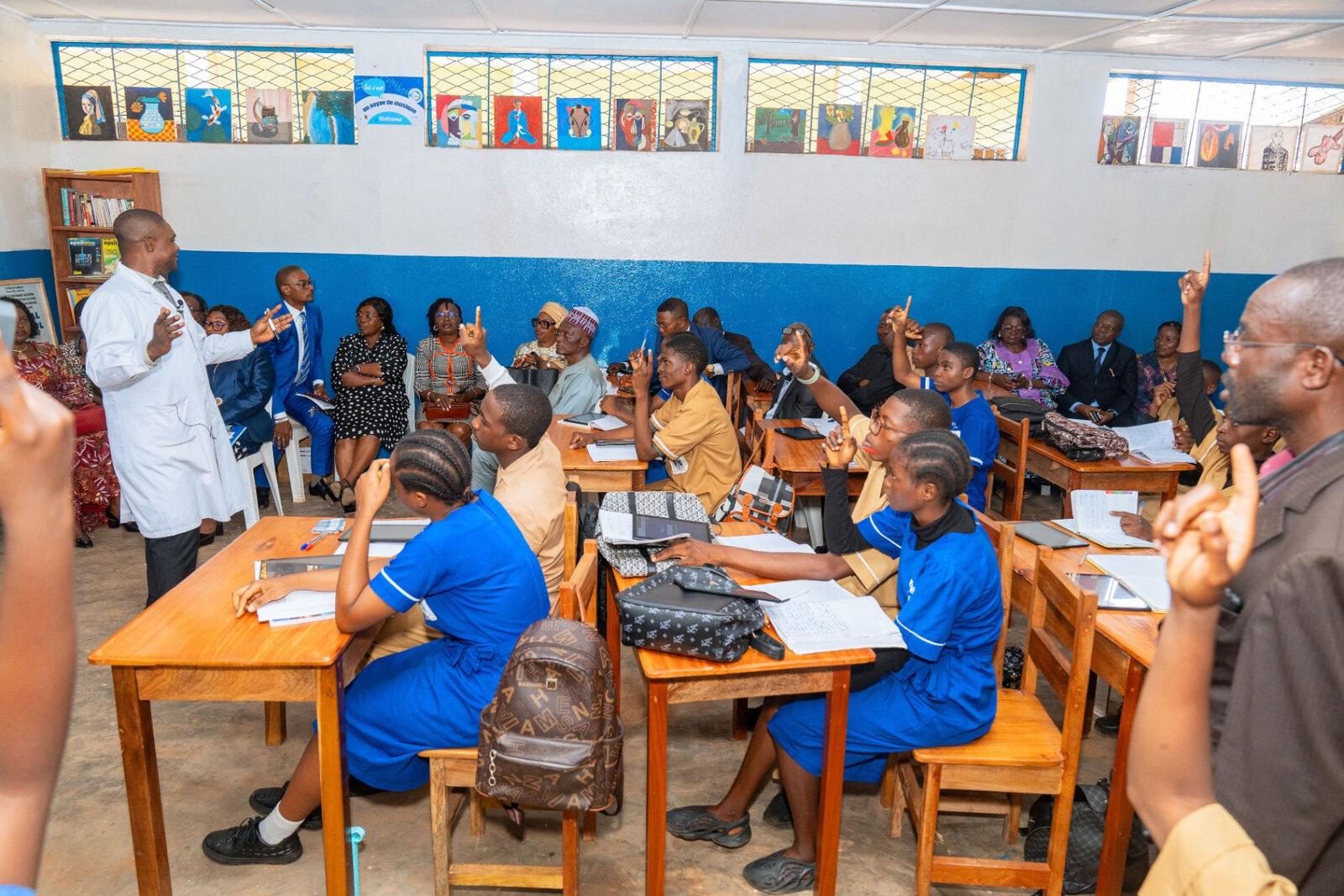
Today’s pupils will live the answers to these questions. Their curriculum is being written now.
Office and coding work change first; physical work changes later, through robots.
Education is among the sectors the sources discuss most.
Narrow AI techniques taught today are expected to date fast. Durable skills matter more.
A ministry plans for years. These are the questions where serious voices give very different answers.
Large change within a low number of years, mostly from people building AI.
Large change over one or two decades, mostly from economists and engineers.
Robots reach physical work within a few years.
Physical work stays largely human for decades.
Society adapts as it has before, with new kinds of work.
If paid work shrinks, it is not clear how incomes would be funded.
Foresight says plainly where its evidence is thin. That is what makes it usable.
Undated claims cannot be scored, so they inform but do not test.
Few sources speak to any one country. Local evidence is the gap we most want to close, with ministries.
Scoring starts as dated claims fall due. Until then, no voice has earned more weight than another.
Few sources set out a route for school leavers that holds if office and physical work change together.
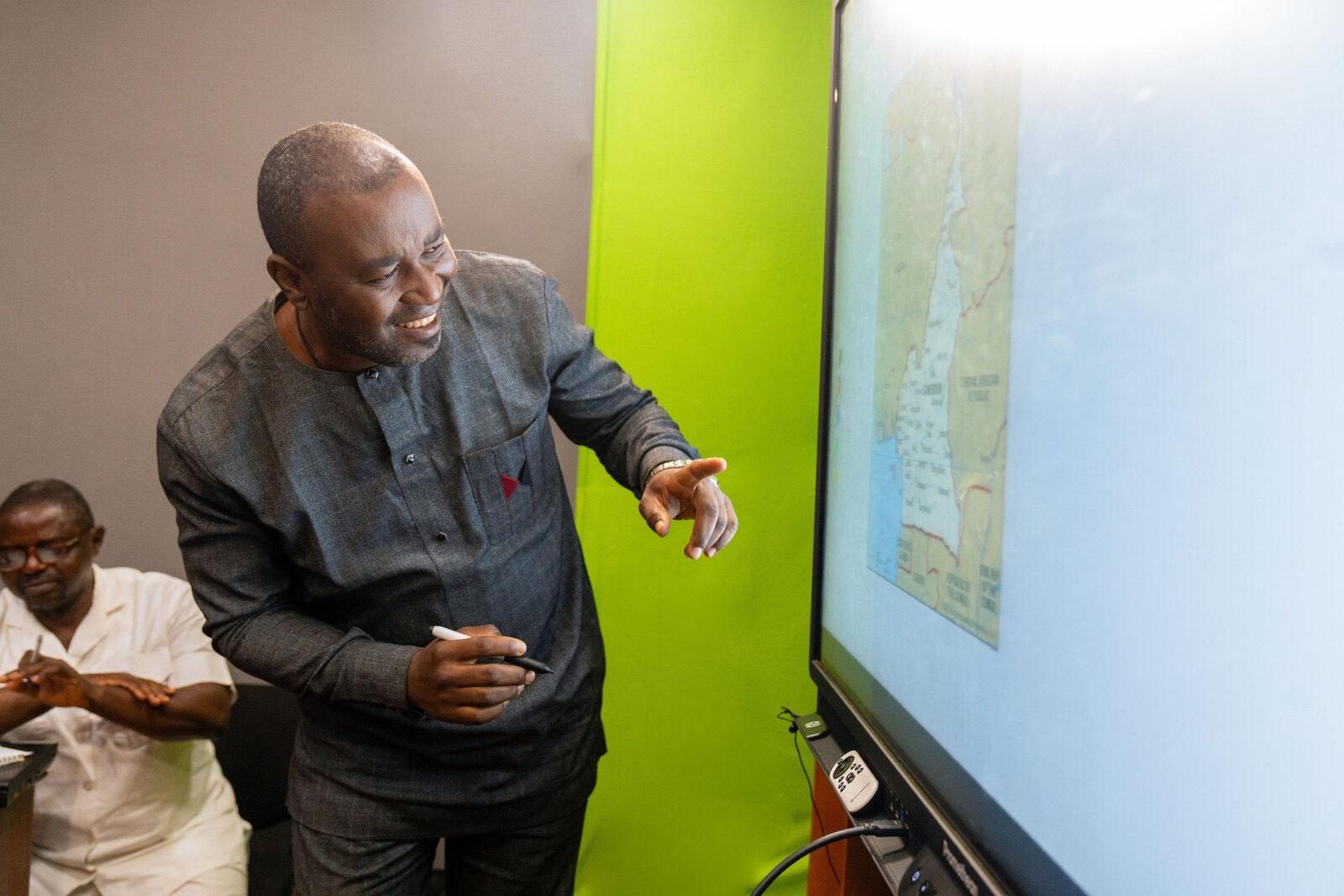
A briefing for ministries of education on what the sources say about the decade today’s pupils will grow up into, rebuilt as the evidence grows. We walk your team through it and connect it to your curriculum.
We present the briefing to ministry teams and connect it to their curriculum and training plans.